


OCD is characterized by intrusive thoughts (obsessions) that cause significant distress and anxiety. To alleviate these thoughts, individuals engage in repetitive behaviors or mental rituals (compulsions). While these rituals may temporarily reduce anxiety, they often interfere with daily life and cause significant distress when the behaviors become difficult to control.
Without effective treatment, OCD can lead to:
Effective treatment is crucial to manage OCD and regain a sense of control.
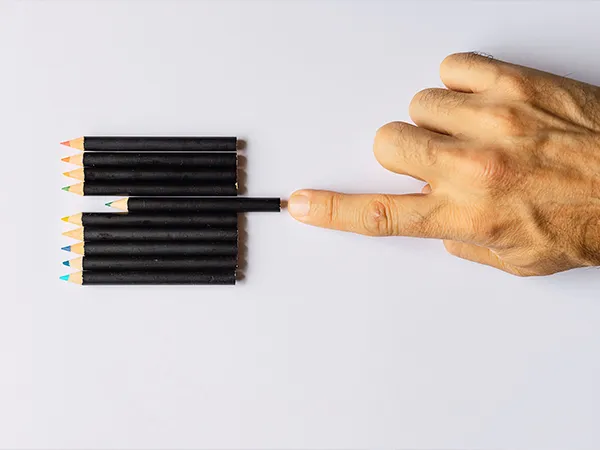
The signs of obsessive-compulsive disorder can range from mild to severe and may significantly affect daily life. Many individuals recognize that their thoughts or behaviors are excessive, yet they feel unable to stop them without experiencing intense anxiety.
Common signs of OCD may include:
Symptoms may affect work, school, relationships, and overall emotional wellbeing. Seeking OCD treatment in Chicago, IL can help individuals better understand their symptoms and develop a personalized treatment plan designed to improve quality of life.
OCD can develop during childhood or adolescence, and symptoms may look different than they do in adults. Recognizing OCD symptoms in children and teens early can help families seek appropriate support and treatment.
Common signs of OCD in younger individuals may include:
Children and teenagers with OCD may experience challenges with academic performance, social interactions, confidence, and daily functioning. Early intervention and professional support can help improve symptom management and overall emotional wellbeing.
Obsessive-Compulsive Disorder (OCD) is a mental health condition characterized by persistent, unwanted thoughts known as obsessions and repetitive behaviors or mental rituals known as compulsions. While OCD is often associated with excessive cleaning or organization, the condition can present in many different ways.
Some of the different types of OCD include:
Understanding the different types of OCD can help individuals recognize symptoms and seek appropriate support. Because OCD affects everyone differently, treatment plans should be personalized based on individual symptoms, concerns, and goals.
Medication management for OCD may be an important component of treatment for some individuals. Ongoing psychiatric follow-up appointments allow providers to monitor symptoms, assess treatment effectiveness, and make adjustments when necessary.
During medication management visits, providers may:
Because OCD symptoms and treatment responses vary from person to person, medication management plans are individualized to meet each patient's unique needs and goals.
Because OCD symptoms and treatment responses vary from person to person, medication management plans are individualized to meet each patient's unique needs and goals.
Telepsychiatry for OCD treatment offers a convenient way for individuals to access psychiatric care without needing to visit an office in person. Through secure virtual appointments, patients can receive ongoing support, medication management, and follow-up care from the comfort of their home.
Telepsychiatry appointments may be appropriate for:
For many individuals, virtual care improves accessibility and helps maintain consistency with treatment. Online OCD treatment can be particularly beneficial for patients with busy schedules, transportation challenges, or those who prefer receiving care remotely.
Telepsychiatry services allow individuals throughout Illinois to stay connected with their provider while receiving personalized support for long-term symptom management and emotional wellness.
OCD requires specialized care for effective management. Here's why JP Psychiatry is the right choice for your treatment:

Your first consultation will be a one-hour evaluation with our provider. During this session, we'll assess your symptoms, medical history, and the impact of OCD on your life. This thorough evaluation helps us develop a personalized treatment plan tailored to your specific needs.
We offer comprehensive medication management for OCD, using SSRIs and other medications to help reduce symptoms. We will work closely with you to determine the right medication and ensure it is properly monitored for optimal effectiveness.
Managing OCD requires ongoing support. We provide regular follow-up visits to monitor progress, adjust medications as necessary, and offer continued assistance in managing your symptoms.
Don't let OCD control your life any longer. At JP Psychiatry, we're here to help you regain control with personalized care and expert treatment.
Many patients experience relief within a few weeks, but it can vary. We'll work with you to adjust your treatment plan as needed to ensure the best outcomes.
While medication is commonly prescribed, therapy (such as CBT or Exposure and Response Prevention) and lifestyle changes can significantly complement medication and help manage OCD effectively.
Yes! We offer telepsychiatry services, making it easier to receive high-quality care from the comfort of your home.
The main types of OCD include contamination, checking, symmetry/ordering, intrusive thoughts, and hoarding. Each type of OCD involves recurring obsessions and compulsions that can disrupt daily life.
To stop obsessive thoughts, try grounding techniques, mindfulness practices, and cognitive behavioral strategies that redirect your focus. If the obsessive thoughts persist or affect daily life, seeking professional support can provide effective coping tools.
While there’s no instant way to completely get rid of OCD, effective treatments like cognitive-behavioral therapy (CBT), medication, and lifestyle changes can help manage symptoms and improve daily life. Consulting a mental health professional is the best first step.
Common signs include intrusive thoughts, repetitive behaviors, excessive checking, cleaning rituals, reassurance-seeking, perfectionism, and difficulty tolerating uncertainty.
Yes. OCD can develop during childhood or adolescence and may affect school performance, social interactions, emotional wellbeing, and daily activities if left untreated.
OCD is diagnosed through a comprehensive psychiatric evaluation that reviews symptoms, behavioral patterns, medical history, and how symptoms impact daily functioning.
Yes. Many individuals receive OCD treatment through telepsychiatry, including psychiatric evaluations, medication management appointments, treatment monitoring, and follow-up care.
The frequency of appointments depends on symptom severity, treatment progress, and medication management needs. Regular follow-up visits help support long-term symptom management.
For some individuals, OCD symptoms may become more disruptive if left untreated. Seeking professional support early may help improve symptom management and overall quality of life.