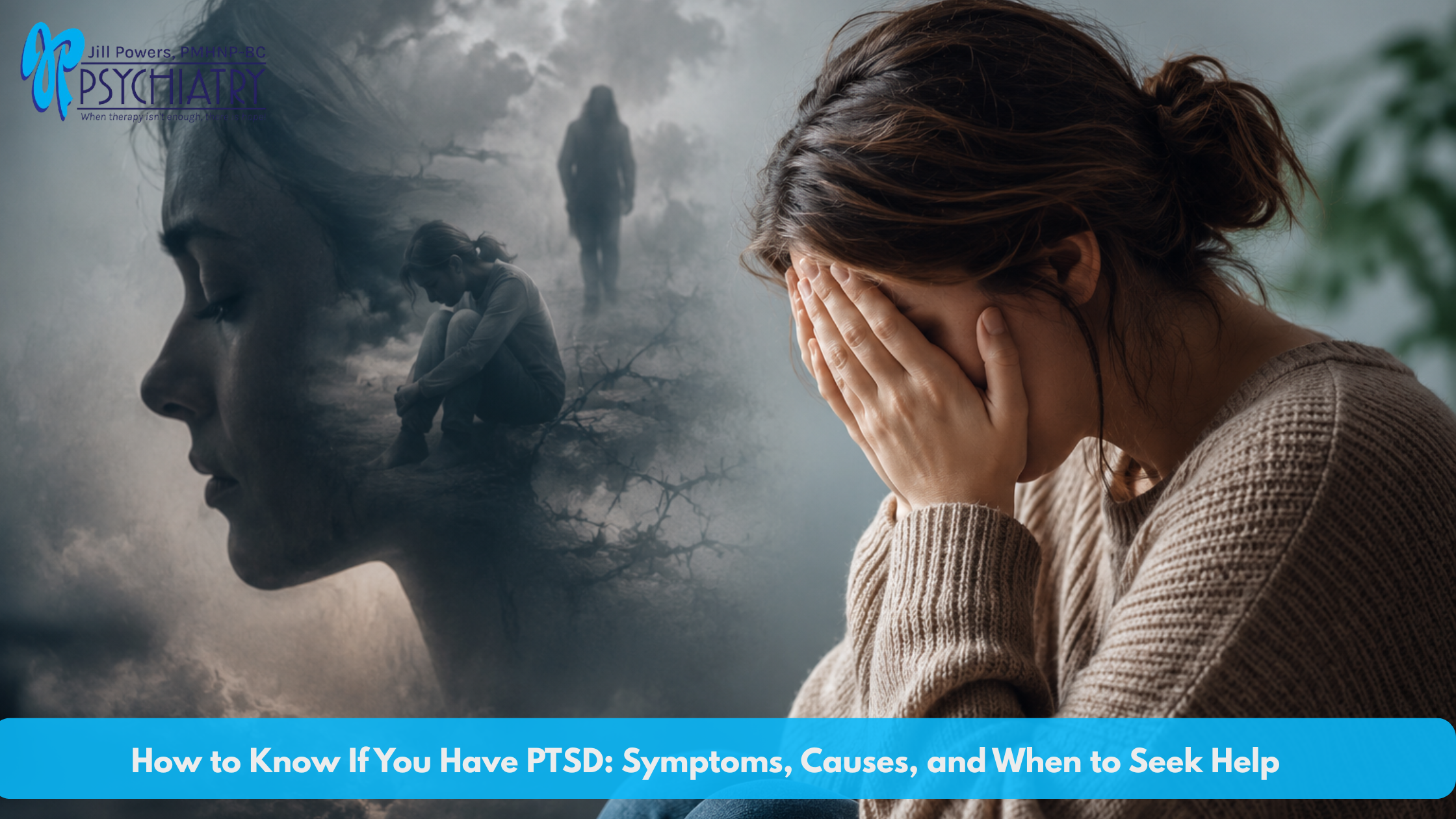



After a traumatic or highly stressful experience, it’s normal to feel unsettled for a period of time. For many people, these reactions gradually ease. However, when symptoms such as ongoing anxiety, intrusive memories, or noticeable changes in behavior persist or begin to disrupt daily life, it may point to Post-Traumatic Stress Disorder (PTSD).
This condition affects how the brain processes and responds to past experiences, often causing emotional and physical reactions to continue long after the event has passed. Because these changes can develop gradually and differ from person to person, they are not always easy to recognize early on.
Explore how PTSD develops, what it looks like, and when to take action.
PTSD (Post-Traumatic Stress Disorder) is a condition that can develop after exposure to trauma, such as an accident, violence, abuse, or a significant loss. It affects how the brain processes fear, memory, and safety.
It’s important to distinguish between normal stress and PTSD:
According to global mental health organizations, PTSD can affect people of all ages and backgrounds, and early recognition can significantly improve recovery outcomes.
PTSD is not defined by a single symptom. It’s identified through patterns of symptoms that last over time and impact daily functioning.
While self-awareness is a valuable first step, only a qualified mental health professional can provide an accurate diagnosis.
PTSD in adults often affects multiple areas of life, including work, relationships, and overall well-being.
PTSD can develop after experiencing or witnessing traumatic events such as:
It’s important to understand: not everyone who experiences trauma develops PTSD. The response varies from person to person.
Certain factors may increase the likelihood of developing PTSD:
Understanding this distinction helps avoid confusion and unnecessary self-diagnosis.
It may be time to seek professional support if you notice warning signs that indicate it’s time to seek professional psychiatric help, including:
A diagnosis typically involves:
PTSD is treatable, and many people see meaningful improvement with the right support.
Common approaches to treatment for PTSD include:
Treatment plans are personalized based on individual needs.
Small steps can make a significant difference over time.
Awareness of persistent symptoms can help you better understand what you’re experiencing and take meaningful steps toward improving your mental well-being. Early recognition makes it easier to seek appropriate support and prevent symptoms from escalating. With the right care and guidance, recovery is achievable, allowing you to rebuild stability, confidence, and a stronger sense of control in your daily life.
When trauma-related responses begin to affect how you think, react, or function day to day, getting the right support can make a meaningful difference. At JP Psychiatry, care is focused on helping you understand these patterns and build healthier ways to manage them.
Schedule your consultation today and take a confident step toward greater stability, control, and overall well-being.
If symptoms like avoidance, intrusive memories, or emotional changes persist and begin affecting your daily life, it may indicate PTSD. A professional evaluation can confirm it.
They often include recurring thoughts about the event, avoidance behaviors, emotional changes, sleep issues, and heightened reactivity.
It depends on factors like the nature of the trauma, personal coping ability, past experiences, and available support systems.
Previous trauma, limited support, mental health history, and the severity of the event are key risk factors.
If symptoms last beyond a few weeks, worsen, or interfere with your ability to function, it’s time to seek help.