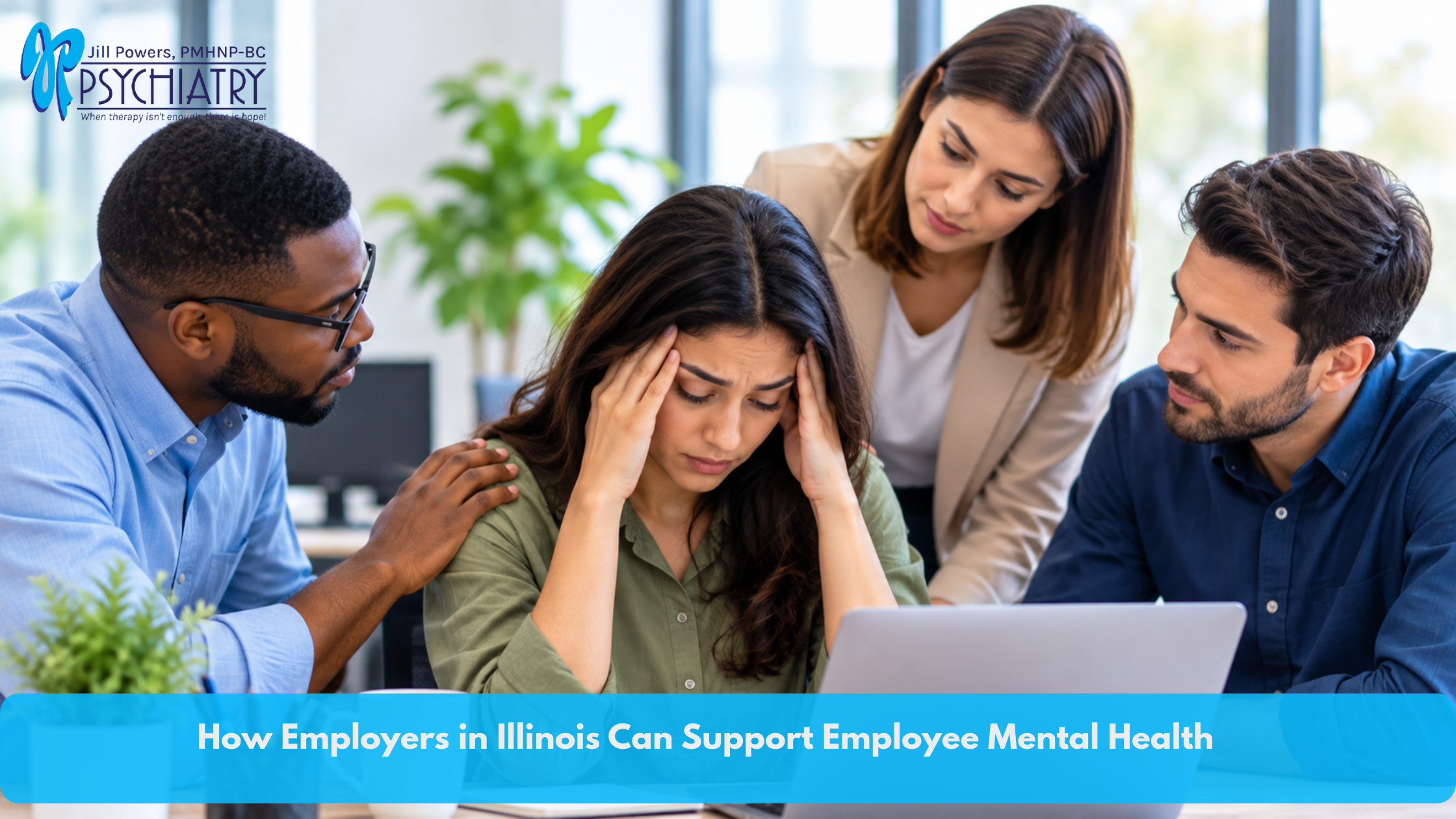



A manager notices that a dependable team member has gone quiet, missed two deadlines, and stopped joining meetings. The company offers benefits, but nobody is sure the employee knows how to use them, or whether asking would feel safe.
Employers can support mental health through accessible benefits, psychologically safer workplace policies, trained managers, reasonable flexibility, and clear pathways to professional support. Effective support addresses organizational practices as well as individual coping, so the work cannot rest on employees alone.
Mental health can affect concentration, attendance, communication, sleep, and productivity. Workplace conditions can also contribute to job-related stress, which means employers have a real role to play.
Supportive policies can improve access to help and reduce barriers to care. That is the practical case for including mental health in everyday workplace planning, rather than treating it as a crisis response.
Exaggerated promises about return on investment are not needed to make the case. Clear access, respectful management, and realistic expectations already matter to the people who work there.
Many employers already offer coverage, but employees may not know what it includes. Clear communication can cover:
Visibility and usability matter more than having benefits listed in enrollment paperwork. A benefit that employees cannot find, understand, or trust is unlikely to be used.
Sharing this information more than once, such as at onboarding, during open enrollment, and in regular reminders, helps it reach people when they need it.
An Employee Assistance Program, or EAP, is an employer-sponsored benefit that can support stress, anxiety, family concerns, workplace conflict, and grief. It can also provide referrals for additional care.
An EAP offers short-term assistance and referrals. It does not replace ongoing psychiatric treatment when a clinical condition requires continued care, so employers should present it as one resource among several.
Managers see day-to-day work more closely than anyone in HR, so they are often the first to see that something has changed. They can be taught to notice sudden performance changes, withdrawal, increased absences, difficulty concentrating, and signs of overwhelming stress.
Their role has clear limits, though. Managers should avoid trying to diagnose, focus on observable workplace behavior, and direct employees toward available resources.
A simple, private check-in works well. Describing what has been observed, such as missed deadlines or reduced participation, and then asking how to help keeps the conversation supportive and factual.
Culture shows up in small moments. Leaders who mention mental health resources openly, keep conversations respectful, protect confidentiality, and avoid stigmatizing language make it easier for employees to ask for help.
Encouraging people to use the benefits already in place also signals that seeking care is expected, not exceptional.
Wellness activities cannot offset the effects of excessive workloads, unclear expectations, limited schedule control, chronic overtime, or little time to recover. Reviewing these conditions is part of supporting mental health.
Potential supports include appropriate flexibility, clear roles and priorities, reasonable workloads, and time to attend mental health appointments where workplace policy permits.
Mental health conversations should remain private. Access to benefits should not require unnecessary disclosure to supervisors, and HR policies should clearly explain confidentiality and available resources.
Employers with specific legal questions should consult qualified counsel, since rules vary by situation.
Some employees will need more than short-term support. That may include psychiatric evaluation, medication management, counseling or psychotherapy, and ongoing clinical care.
Employers can support access to these services without becoming involved in treatment decisions. The goal is a clear path, not oversight.
Knowing in advance where employees can turn, including options that offer virtual visits, makes a hard moment easier to handle when it arrives.
Good intentions can still miss the mark. Common missteps include:
A short review can show where gaps may exist:
Workplace mental health support works best when benefits, culture, management practices, and access to care work together. JP Psychiatry offers an Employee Assistance Program with confidential virtual psychiatric care across Illinois, alongside psychiatric evaluations and medication management for adults and adolescents.
Contact JP Psychiatry to learn how employees can access care.
Employers can offer behavioral health coverage, psychiatric and counseling access, telehealth options, and an Employee Assistance Program, with clear instructions on how to use each.
Managers can describe observable changes in work, share available resources, and keep conversations private, without guessing at a condition.
An EAP is an employer-sponsored benefit that offers short-term support and referrals for stress, family concerns, grief, and other personal or work-related challenges.
No. An EAP typically provides short-term help and referrals, while psychiatric treatment offers ongoing evaluation and medication management when needed.
Explain each benefit in plain language, share access steps often, and confirm that using benefits stays confidential.