


Mental health is finally getting the attention it deserves, and for good reason. The way we think, feel, and respond to everyday life shapes everything from our relationships to our physical well-being. Yet many people still hesitate to seek help, often unsure whether what they’re experiencing is “serious enough.”
In reality, mental health symptoms don’t always appear in obvious ways. They can be subtle, gradual, and easy to dismiss at first. Learning to recognize these early signs of mental illness can help you take action before things begin to feel overwhelming.
Understanding these indicators can help you move from uncertainty to action, with the right support making a noticeable difference.
Seeking help doesn’t mean something is wrong with you; it means you’re paying attention to your well-being.
Mental health care often involves different professionals working together:
Depending on your needs, you may work with one or both.
A qualified provider helps you:
There’s a belief that professional mental health care is only for extreme situations. That’s not the case.
Early support can prevent symptoms from worsening and help you regain balance sooner.
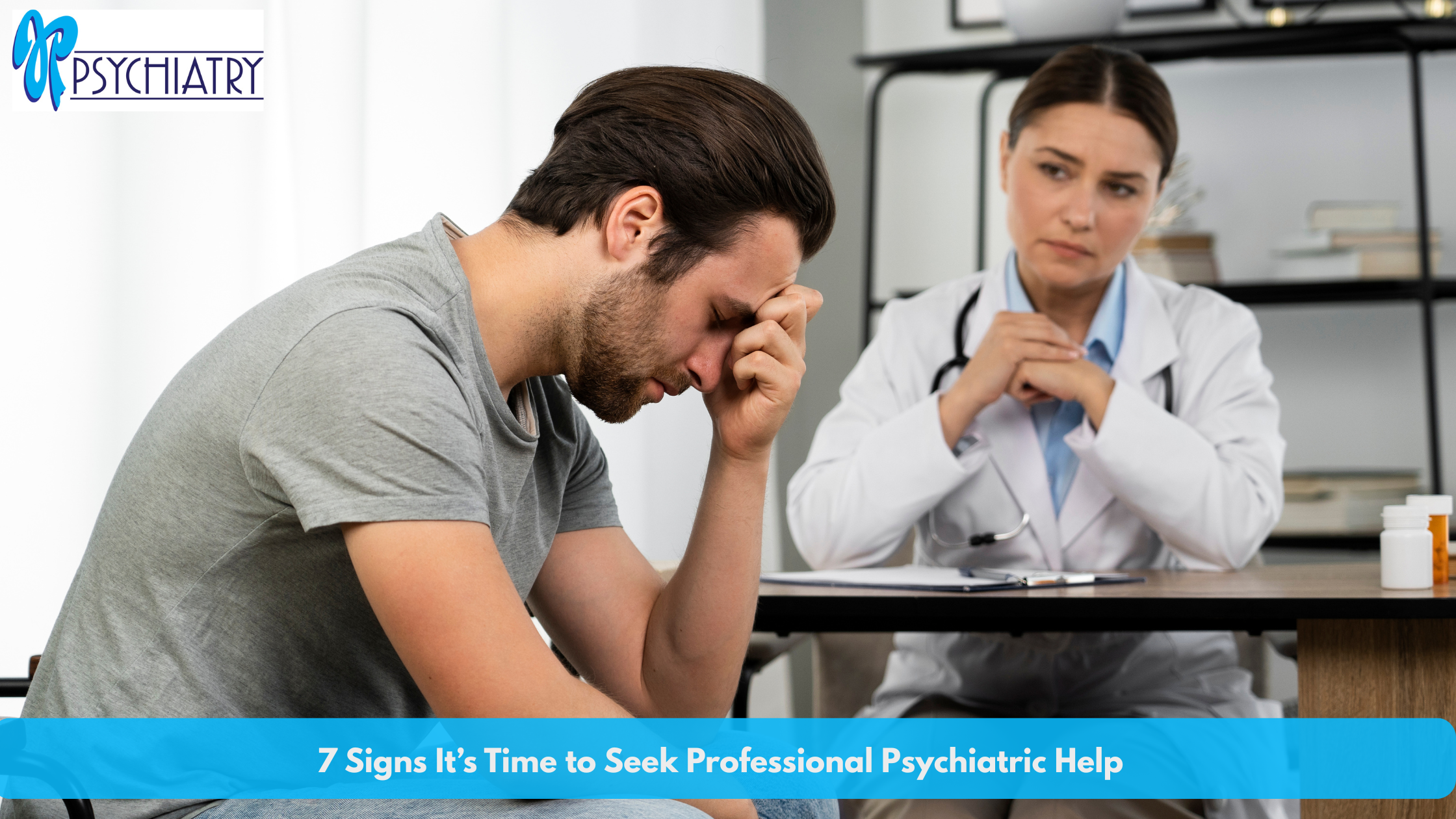
It’s not always easy to tell when to reach out. These signs can help guide your decision.
Feeling down occasionally is part of life. But when those feelings last for more than two weeks and don’t seem to ease, it may point to something more.
You might notice:
These are common mental health symptoms that can affect your daily routine and overall outlook.
Worry becomes a concern when it feels nonstop or difficult to control.
Common signs include:
If anxiety symptoms start interfering with your ability to function or enjoy daily life, seeking professional anxiety treatment can help you regain control.
If staying focused feels like a constant struggle, it may be more than just a distraction.
You may experience:
These issues can be linked to various underlying concerns, and a proper evaluation can help identify the cause.
Emotional ups and downs are normal, but extreme or unpredictable shifts may need attention.
Look for:
Patterns like these may benefit from structured care and monitoring.
Your daily habits often reflect your mental state.
Pay attention to:
These shifts are often linked to broader signs of mental illness and shouldn’t be ignored if they persist.
Taking time alone is healthy, but ongoing withdrawal can signal emotional strain.
You might find yourself:
Over time, this can increase feelings of isolation and make it harder to re-engage.
This is a serious sign that requires immediate attention.
You may experience:
If this resonates with you, reaching out to a mental health professional or a trusted support system is essential. You don’t have to handle it alone.
Seeking support is about gaining clarity and finding ways to feel better, not about labels or judgment.
A caring professional helps you make sense of what you've been experiencing, so you no longer have to navigate it on your own.
Care plans may include:
Everything is tailored to your specific needs.
With the right approach, you can:
Many people notice:
Your mental health matters just as much as your physical health. Ignoring early mental health symptoms can make them harder to manage, but recognizing them early gives you a chance to take control.
If you’ve been noticing these signs of mental illness, consider reaching out for support. Taking that step isn’t a sign of weakness, it’s a move toward feeling better and living more fully.
When your thoughts feel overwhelming or your emotions start to interfere with daily life, the right support can help you regain a sense of control. At JP Psychiatry, care is centered on understanding what you’re experiencing and guiding you toward steadier, more manageable days.
Book your consultation today and take a confident step toward feeling like yourself again.
When symptoms persist, worsen, or disrupt daily life, relationships, or work, it’s time to seek professional support.
Persistent sadness, anxiety, mood changes, sleep issues, low energy, difficulty concentrating, and withdrawal from social activities.
If symptoms last weeks, intensify, affect functioning, or include hopelessness or self-harm thoughts, they should be taken seriously.
A medical provider can diagnose conditions and prescribe medication, while therapists focus on counseling, emotional support, and coping strategies.
You’ll discuss symptoms, history, lifestyle, and concerns, followed by an initial assessment and a personalized care plan.